
List.buy.sell on construction one stop shop

24 Jun 2019 News & Updates
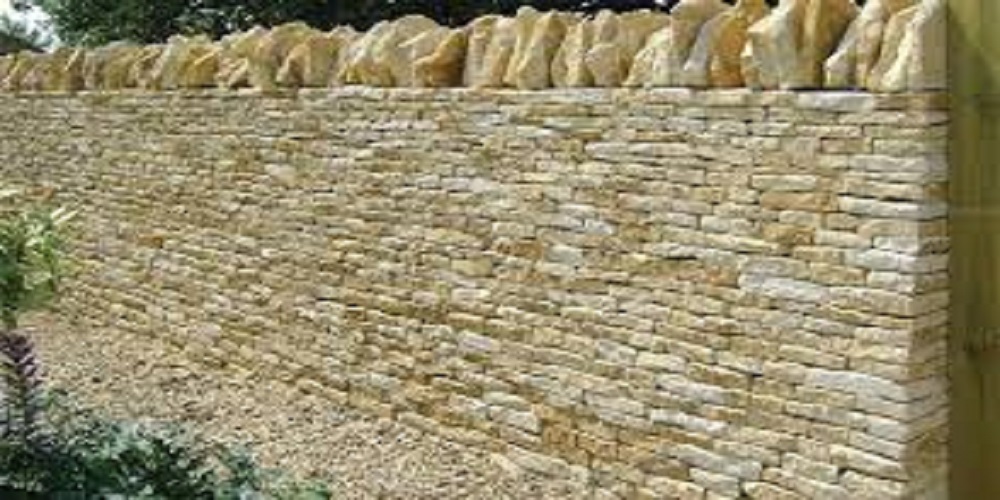
There are different materials that can be used during the walling of a structure in Kenya. Some of the available materials with the available labour skill set include;
1. Stones
Naturally occurring stones are the most popularly used materials in the Kenyan market for construction purposes. They are usually mined from stone quarries with the most popular quarries located around Mang’u Area on the Thika Road Superhighway popularly known as Ndarugo.

Machine cut stones as the name implies, are mined using stone cutting machinery and are usually cut into 3 major length-wise sizes, that is, 9inch, 6inch and 4inch. They are often in one colour, mostly grey.
This are the most popularly used type of building stones.
They are usually sold on a per piece basis.

These stones are commonly found in places with no machine cut stones as they are mined using manual labour. They are also slightly expensive as they are usually not mined out in a standard format and thus the need to dress them when they get on site.
However, they are also common with people keen an aesthetics and beauty as they have 3 to 4 shades of colour and can be dressed to achieve some unique wall designs. They are also used to achieve the zero joint building pattern for walls.
These stones are usually sold on a per foot basis.
2. Precast blocks
There are different types of pre-cast blocks being used in construction in Kenya. Precast blocks refer to building blocks that have been made out of a mould.

This blocks are made out of a concrete mortar mix (cement, ballast, sand and water). They can be either hollow or non-hollow, interlocking or non-interlocking. It is advisable to use a mix of hollow and interlocking concrete blocks. This allows for easier and efficient plumbing and electrical fitting.
Concrete blocks are a bit expensive to purchase given their production costs and specialized labour needed for installation. However, they provide for easier finishes for example, during screed works, and fitting works, that is, electrical and plumbing works.
Precast blocks are usually sold on per piece basis.

This have been used since olden days but have been improved in the modern days. Machinery has been developed to enable uniformity and interlocking capability of modern day soil and clay blocks.
The cost of construction is almost similar to machine cut stones. They are usually slightly pricey at purchase but one can save on internal finishes, especially on screed/ plastering works.
Interlocking blocks are sold on a per piece basis.
3. Steel and Iron Sheets

Steel and Iron sheets can be used to achieve a semi-permanent structure. The use of steel with glass is not so popular due to security concerns. However, it is the fastest way of putting up a wall partition. Also, this combination has been used to put up high-rise buildings in Kenya for instance Sifa Towers in Kilimani.
This is a slightly more expensive way of construction as opposed to traditional stone. Cost depends on steel being used and glass.
4. Wood

Wood has been extensively used in construction in Kenya since and before Kenya’s independence. Wood is mostly used to put up semi-permanent houses in Kenya.
Prefabricated wood panels have not made an entry in the Kenyan market at the time of this article. However, please feel free to share below in case of new information not available to us. Thanks in advance.
Current wood structures involve purchase of wood from timber yards that is then used by a skilled carpenter for walling and other construction purposes.
Wood is often sold on a ‘per foot’ basis.
5. Aluminium, Glass and gypsum

Aluminium, glass and gypsum are the most commonly used for interior partitioning especially for office partitions. They usually give an excellent look and feel of the space.
The cost of using such wall partitions depends on the type of aluminium, gypsum and glass used.
6.EPS Wall Panels

Expanded Polystyrene (EPS) Wall panels have started picking up pace in the construction industry in Kenya. The National Housing Corporation has an EPS production factory in Mlolongo, Machakos County among other players in the country.
The use of such panels in Kenya is slightly more expensive to the traditional stone due to specialized labour. However, it’s debatable given the speed of construction as compared to the traditional use of stone.
The EPS panels are sold on a ‘per square meter’ basis.