List.buy.sell on construction one stop shop

19 Jul 2019 News & Updates
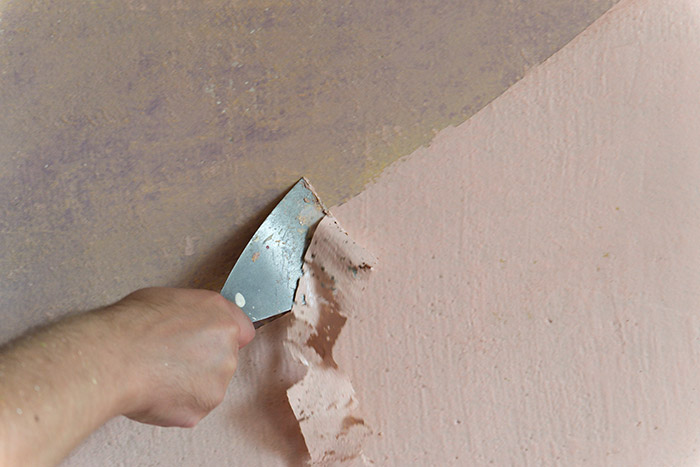
Scraping off your old, flaking paint is essential to helping you get a long-lasting paint job. Don’t ever skip this step! Leaving old paint on your walls will make your new coat of paint flake faster. Use sandpaper to soften the rough edges of the wall to avoid having thin, vulnerable areas in the new layer of paint.
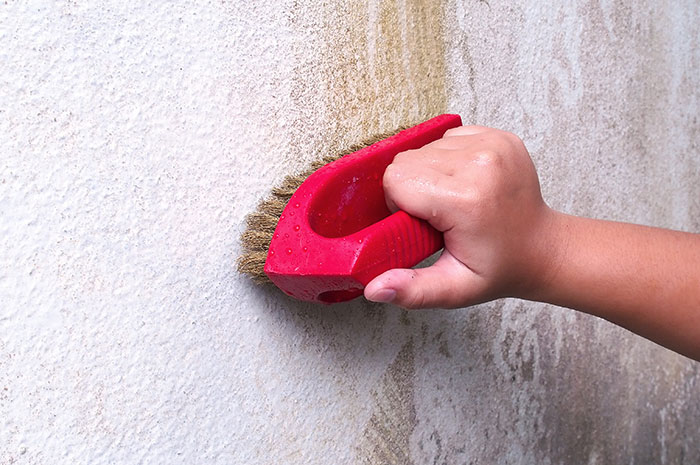
Dirt and debris are a painter’s greatest enemies. The slippery texture of these particles prevents paint from sticking to the intended surface. Clean your painting surface at least twice — first with a damp cloth and detergent, and then with clean water and a soft towel. If you are painting the exterior of your house, take note of other pollutants like cobwebs and fungi. You may need bleach and water to clean them.
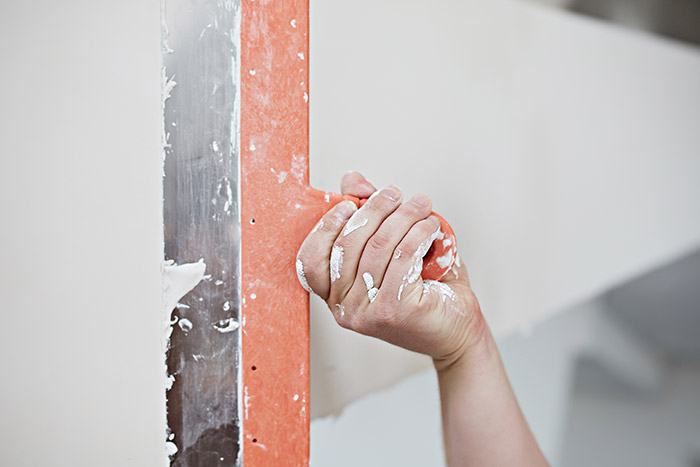
After scraping off the old paint, you may see some holes and cracks in your wall. First, make a deeper opening so you can remove debris and any old fillers. Once you’re done, patch up the cracks with new fillers. Use a willing knife to create a smooth and uniform surface before painting your wall with sealers. Sealers coat any surface that has fixed holes or cracks to provide consistent coverage.
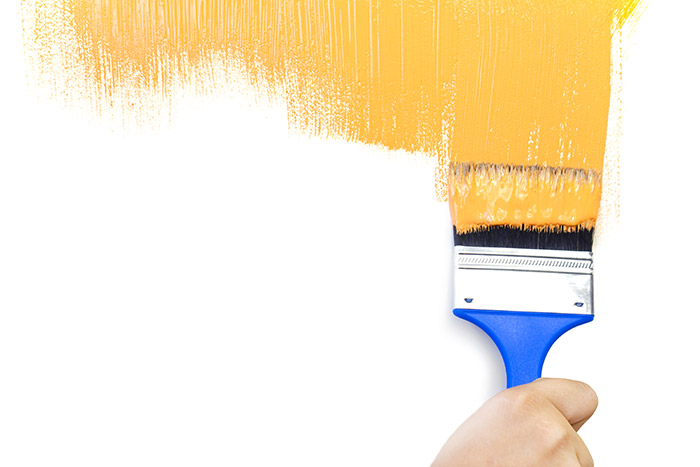
From paint thickness to painting patterns, the proper painting technique is essential for that perfect paint job. If your coat of paint is too thin, the colour of your walls will look dull when the paint dries. Conversely, layers that are too thick are prone to cracks. While painting walls doesn’t sound like it requires any artistic skills, it is essential that you use the right strokes. Always cover previous strokes to get an even coat of paint. An ‘N’ or inverted ‘N’ stroke is recommended.
Humidity, wind and harsh sunlight are not a painter’s friends. Extremely hot temperatures may cause the paint to dry before you can apply the paint evenly. Meanwhile, humid weather will create bubbles on a painted surface. As a good rule of thumb, paint in the shade when the weather is cool and dry.
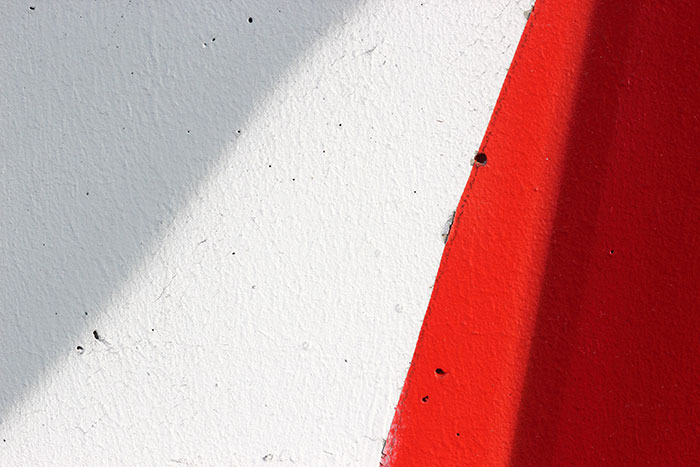
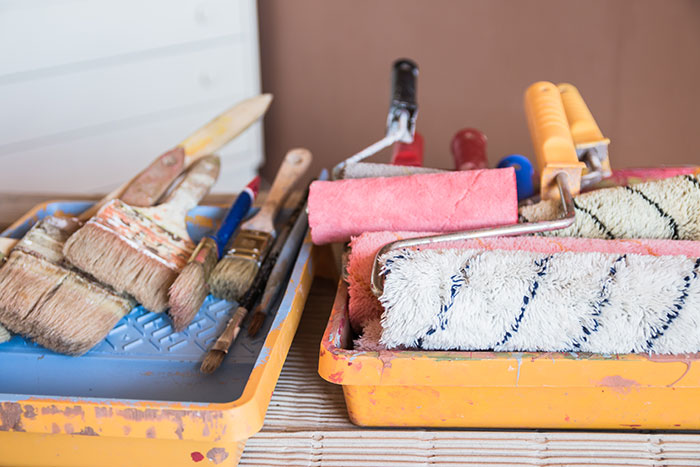
The quality of tools and materials used does impact the longevity of your paint. High-quality tools and materials help you to avoid common issues such as cracking. You should always coat your surface with primers and undercoats before applying the desired paint on top.